
A guide to navigating pregnancy and postpartum as a couple can be a real anchor when everything is changing at once. Your body changes, desire shifts, the pace of life goes through the roof, and sometimes you feel a little lost amid the fatigue, emotions, and desire to stay connected. Here, I’ll help you understand what’s really going on, without pressure or taboos. How to maintain intimacy, adapt, and what to do when your libido fluctuates or your body needs a gentler touch. L’s not about following a set standard, but building a sex life that feels right for you, at your own pace, as a couple.

What is a couple’s sex life like during pregnancy and postpartum?
A couple’s sex life during pregnancy and postpartum refers to all the changes in desire, sexual practices, and intimacy brought on by changes to the body and everyday life after a child arrives. It naturally evolves and often calls for adjustments to remain comfortable and balanced.
This is about much more than sex. It also involves fatigue, mental load, body image, communication, and emotional availability. Many couples think they’re facing a problem when they’re simply going through a normal adjustment period.
What matters isn’t getting back to “how things used to be,” but redefining what works now. A gentler, slower, more communicative sex life can absolutely strengthen your connection as a couple.
With that in mind, simple tools like a water-based lubricant or products designed for couples can really make intimate moments more comfortable and flow more easily.
Communication and closeness: the foundation of a relationship
When desire changes, talking is still the most helpful thing you can do. No need for long speeches, just simple, honest sentences. Saying what you feel, what you want, and what you don’t want, without blaming the other person, changes everything.
A couple is about more than sex. Everyday gestures, acts of care, and time together matter enormously. A cuddle, a calm conversation, some screen-free time… all of it nurtures your connection.
A lower sex drive is common during these periods. If you’d like to better understand this and find practical solutions, I invite you to read our article about low desire in a relationship.
And sometimes, to rekindle your connection, fun aids like playful sex games can help open up the conversation without pressure.
Sex during pregnancy: understanding the changes
Pregnancy profoundly changes the body and its sensations. Hormones affect desire, sensitivity and sometimes even the desire for touch.
Some women experience a higher sex drive, others a lower one. Both are normal. There’s no universal rule.
Your relationship with your body changes too. Your belly, breasts, fatigue, emotions… all of this affects how you see yourself and how desirable you feel.
L’the key always stays the same: comfort, listening and communication. If something no longer feels right, adapt it. If a position is uncomfortable, change it.

Positions suited to pregnancy
As your belly grows, some positions can become uncomfortable. L’the goal is simple: avoid pressure and stay in control of the movement.
- avoid putting direct pressure on the belly
- use pillows for comfort
- adjust the depth and pace
- communicate during sex


Sex toys during pregnancy: what to choose
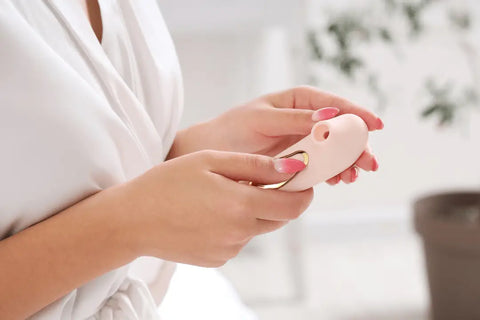
Sex toys can still be part of your sex life, as long as you prioritize comfort and gentleness.
External stimulation is often best suited, especially with products designed for clitoral pleasure.
A good lubricant can also greatly enhance sensations, especially if sensitivity changes.
If you’d like to learn more, you can check out the sex toy guide.
Postpartum: easing back into sex
After childbirth, the body needs time. Fatigue, hormones and any pain can affect desire.
There’s no universal timeframe for resuming sex. Every couple moves at their own pace.
Resuming intimacy doesn’t have to mean penetration. Caresses, massages, and closeness are often the first steps.
You can also read our postpartum guide to learn more.

Pelvic floor rehabilitation and intimate comfort
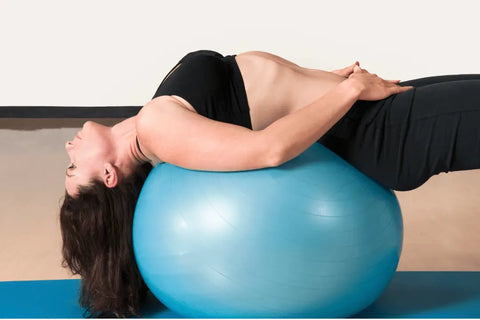
The pelvic floor plays a key role in comfort and sexuality after childbirth.
Rehabilitation helps restore tone and control, improving sensation and well-being.
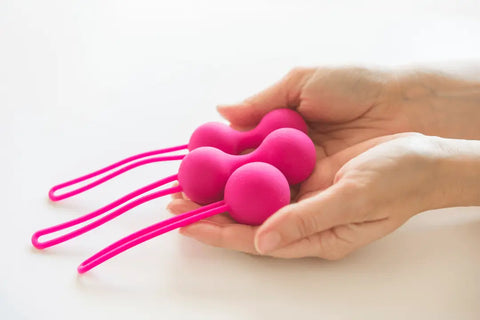
Geisha balls can support this work, but they don’t replace professional care.
You can check out the pelvic floor guide to learn more.
Massage, play, and connection
Massage is a great way to start rebuilding your connection without pressure.
An oil, a calm atmosphere, and time together are often all it takes to reconnect.

You can explore massage oils or check out the massage guide.
Accessories and gentle exploration
Some accessories can add a playful touch without any pressure.
Blindfolds, feathers, or soft restraints can add to your sense of connection.
Respect, communication, and consent are what matter most.

Intimate hygiene and safety
Good hygiene and using products appropriately are essential.
Cleaning sex toys, using the right lubricants, and listening to your body can help prevent discomfort.
If you have persistent pain or concerns, consulting a professional is still the best option.
A guide by Alicia, your intimate wellness advisor for over 10 years.
Keep reading
- Protecting your sexual health after 30: our advice
- Consent: an essential agreement
- Sexuality and cancer: understanding, navigating, reinventing yourself
For pleasure: our intimate wellness selection — Organic creamy water-based lubricant with a milky effect, 100 ml · Strawberry and champagne massage oil balls.


0 comments